
The Professional’s Guide to Strategic Carnival Game Rentals
- Sean Jordan

- Jan 16
- 12 min read
Updated: Mar 13
Carnival games have always been a staple in event planning, but within our industry, the way we evaluate, deploy, and optimize game rentals has become increasingly sophisticated. This article is written for professionals who are looking to refine their game selection strategies, optimize event layouts, and ensure profitability and operational efficiency. We’ll explore what games to rent based on measurable objectives, the operational realities behind each category, and how to scale a carnival game offering to meet both client expectations and business growth targets.
I’ve spent over a decade working closely with planners, vendors, and corporate clients, and the difference between a “fun” event and a high-performing, memorable one often comes down to the strategic selection and deployment of carnival games. The game rental space isn’t just about having a colorful lineup; it’s about understanding throughput, demographics, engagement psychology, and logistics. Let’s dive deep into each core element of what to rent, when, and most importantly, why.

Strategic Framework for Game Selection
Defining Event Objectives
When selecting carnival games, the first consideration must always be the event’s objectives. Not all events are meant to drive revenue; some are designed purely for engagement, others for corporate branding, and some blend these purposes. Corporate family days aim for broad appeal across age groups, while fundraisers focus on maximizing ticket purchases and repeat play. Brand activations demand visually striking, interactive experiences, often with custom-branded elements, while school carnivals need fast-resetting, low-maintenance games to accommodate high traffic and limited staff.
Each event goal implies a different operational structure and rental approach. For example, if the client’s objective is to capture leads at a trade show, the game must not only attract attention but also hold it long enough to allow for brand messaging or data capture. If it’s a ticketed fundraiser, you need games with fast turnaround and addictive play mechanics to encourage replay. The misalignment between event goals and game mechanics is one of the most common issues I see in poorly performing setups.
Demographic Profiling
A high-functioning game layout is tailored not just to the event size but to the demographics of its audience. Understanding who will be playing, not just who will be attending, is critical. Kids aged 3 to 7 need low-barrier, sensory-oriented games like duck ponds and bean bag tosses. Pre-teens and teens want a challenge, gravitating toward skill-based or mildly physical games such as basketball shootouts or inflatable jousts. Adults, especially in corporate settings, often appreciate games with competition, novelty, or nostalgia.
But it’s not just age that matters. Cultural relevance, accessibility, and even seasonality play into which games resonate. Cognitive challenge, physical space, sound levels, and the visual theme all affect engagement. I advise creating “demographic zones” when possible, grouping games into areas designed for specific age brackets or user profiles. This ensures that each user finds something suited to their preferences without having to navigate an entire field of irrelevant games.
Carnival Game Taxonomy & High-Performance Categories
Skill-Based Games
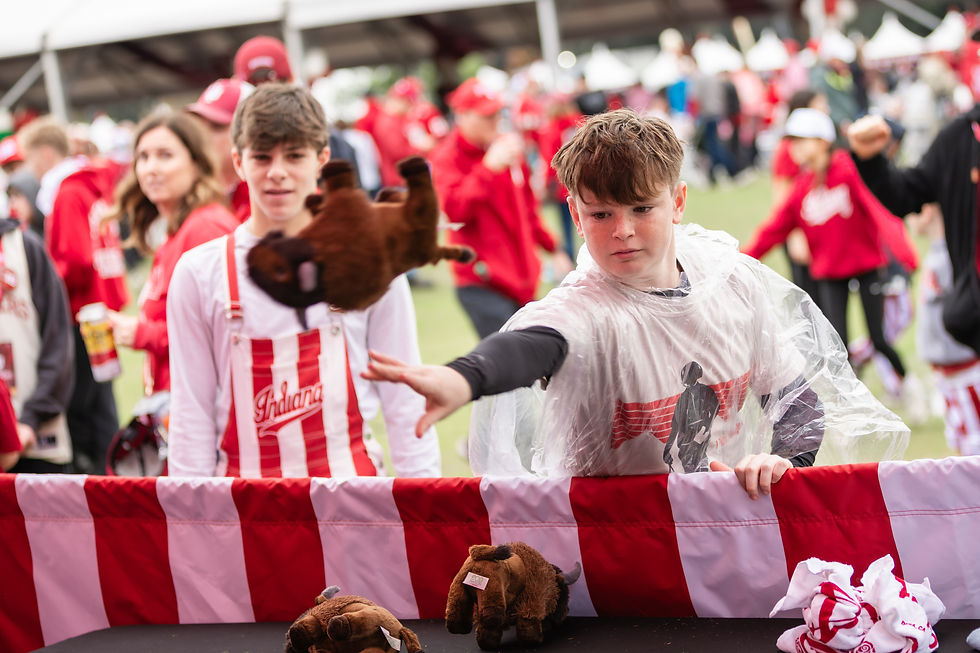
Skill-based games are often the backbone of a well-planned carnival because they offer a strong return on both engagement and revenue. Games such as ring toss, basketball shoot, or coin drop all share a key characteristic: they reward repeat play. Unlike games of chance, these appeal to a player’s desire to improve, compete, and eventually win. This psychological hook makes them ideal for fundraisers or events where you want attendees to spend more time, and money, at each station.
From an operational standpoint, skill games are advantageous because they’re generally compact, require minimal power, and offer straightforward reset cycles. However, they do demand staff attention to maintain fair play and proper scoring. The key is in maintaining quality, cheap knockoffs or poorly calibrated games will lose credibility quickly, especially with repeat players or adults. Keep hardware in top condition and, where applicable, display high scores or streak counters to encourage longer engagement.
Luck-Based Games
Luck-based games play a different role in the overall layout. They are perfect for balancing out a carnival setup with something lighthearted and inclusive. Prize wheels, duck ponds, and plinko boards are low-pressure games that create a positive experience regardless of skill level. These are especially effective in scenarios involving very young children, mixed-age audiences, or corporate environments where competition might not be welcomed.
Professionally, I use luck games as filler content to buffer the experience and provide inclusivity. They require little explanation, allow for quick playthroughs, and are ideal for sponsorship tie-ins or prize-based activations. They’re also great for brand visibility, as you can easily skin these games with logos or thematic visuals. Just be aware of their limitations in terms of repeat value; most people will play once and move on unless incentivized otherwise.
Physical and Inflatable Games
Inflatables and physical games bring high energy and visual appeal to any event. From obstacle courses and gladiator jousts to inflatable axe throws, these games often act as anchors in a layout, drawing foot traffic and increasing overall excitement. They’re excellent for large-scale outdoor events or situations where visual impact is key. However, they come with heavier logistical requirements, including power, staffing, and safety monitoring.
Professionals need to consider a few critical elements when renting these units:
Proper anchoring, especially for windy outdoor environments
Certified staff to supervise safe use and enforce limits
Power distribution planning, especially if multiple inflatables are active
These games also have a relatively high wear rate, which means rental providers must have rigorous maintenance and cleaning protocols in place. They should be reserved for events with enough space and infrastructure to support them, and where physical activity is an expected and welcome part of the guest experience.
Premium Midway Booths & Game Trailers
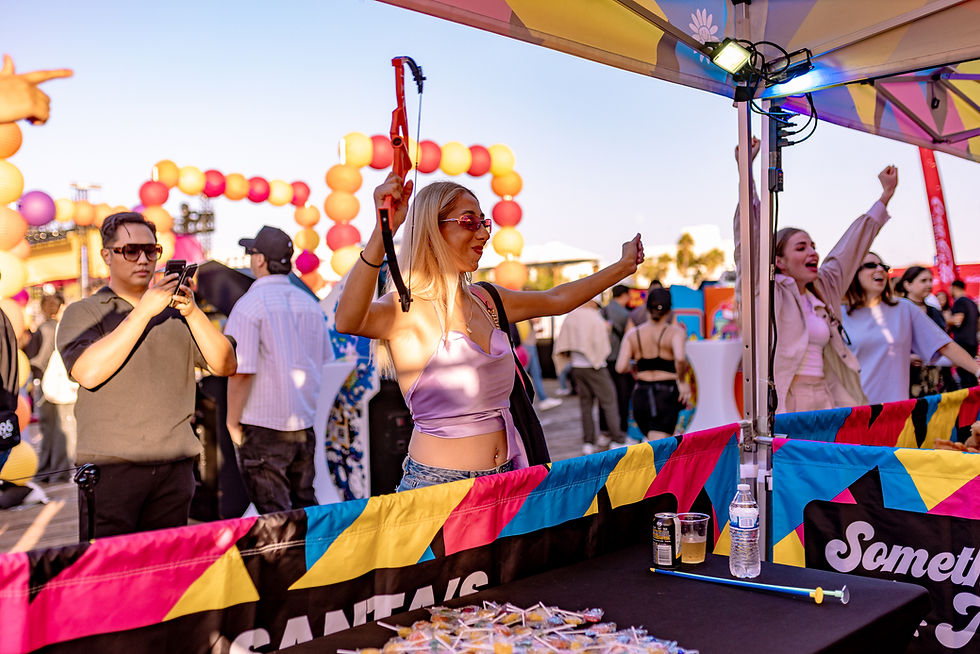
For high-end or large-capacity events, modular midway booths or full-service carnival trailers offer a polished, immersive experience. These units are professionally skinned, often with 3D facades, custom lighting, and built-in prize shelving. A good midway booth not only provides functionality but also enhances the visual and thematic consistency of your event. I’ve seen these make the difference between a basic street fair feel and a fully immersive carnival environment.
Game trailers, on the other hand, are mobile event solutions that can house multiple games within a single rig. They reduce on-site setup time and simplify logistics. But they also come with specific requirements: drive-up access, flat surface parking, and often additional insurance. I generally recommend these for high-volume events, state fairs, or corporate functions looking for turnkey setups. They’re not flexible in layout but are unmatched in consistency and production value.
Branded and Themed Game Units
In the corporate event world, branding is non-negotiable. Themed and branded games offer the ability to align carnival entertainment with a brand’s messaging or event aesthetic. This can range from simple vinyl wraps with logos to fully custom-built activations with matching uniforms, branded prize tickets, and integration with digital marketing campaigns. The game becomes more than just entertainment; it becomes a branded touchpoint.
From my experience, these units are most valuable in contexts where the carnival is part of a larger marketing strategy. Trade shows, product launches, or internal brand culture events all benefit from this alignment. However, custom work must be carefully scoped in advance, allowing enough time for design, fabrication, and testing. Costs increase with customization, but the ROI, in terms of brand recall, shareability, and visual consistency, is typically well worth it.
Revenue Models & Financial Planning
Rental Pricing Strategy
Understanding how to price carnival game rentals is critical for both rental companies and event organizers. Flat-fee rentals are the industry norm for private events, but large-scale or public events often introduce revenue-sharing or per-ticket pricing models. For event producers, it's important to understand not just the rental rate, but the full operational cost, which includes delivery, staffing, insurance, and often on-site support.
To maximize profitability:
Bundle rentals strategically (e.g., 3 game packages with attendants)
Offer tiered pricing for premium vs standard games
Include clear add-ons: branded wraps, extra staff, custom prizes
From the vendor side, it's essential to balance pricing with maintenance costs and asset depreciation. Premium games or heavily customized units should be priced not only for margin but for asset longevity.
ROI Per Game Type
Not every game delivers the same ROI, and the most successful planners I know rigorously track engagement and revenue by game type. Skill-based games tend to yield the best returns in ticketed environments because of their high replay value. Physical games often perform better in brand activation or engagement-focused events, where their visual impact translates into perceived value.
To evaluate ROI, consider:
Throughput per hour
Staff requirements
Space utilization
Power and transport costs
I use a simple matrix model to categorize each game by cost vs engagement impact, which helps guide clients toward a mix of high-efficiency and high-impact units. This also helps in justifying premium pricing to clients looking for measurable event outcomes.

Operational Logistics & On-Site Execution
Layout & Flow Optimization
Game layout is one of the most underestimated factors affecting both user experience and operational efficiency. A poorly designed layout can result in bottlenecks, underutilized games, and an uneven distribution of crowd attention. I always advise beginning with anchor games, large inflatables or visually dominant trailers, then building outward with skill and luck-based games that encourage flow. These should be placed along logical traffic paths and spaced to allow queuing without encroaching on adjacent setups.
You also need to consider noise levels, sight lines, and sun exposure. For example, loud generators or air blowers should be isolated from games that require verbal interaction. High-traffic entries and exits must remain unobstructed. Use chalk or tape in pre-setup walk-throughs to mark zones before committing to placement. The best layouts create a balance between high-volume attractions and smaller games, ensuring that no single area gets overcrowded while others remain idle.
Staffing & Attendant Strategy
Attendants are more than just rule enforcers; they are customer-facing representatives of your event. Well-trained attendants can double the effectiveness of a game, improving engagement, increasing throughput, and ensuring compliance with safety guidelines. Depending on the game complexity, the ideal ratio is one attendant per game or per two simple stations. More involved setups like inflatables, trailers, or branded experiences may require multiple attendants, including one focused solely on queue management.
Staffing strategy should also account for staggered breaks, peak period reinforcements, and standby coverage for emergencies. When possible, brief your staff on the event theme, client expectations, and basic troubleshooting (power resets, rule clarifications, etc.). Uniform attire or badges help establish authority, and pre-shift checklists ensure everyone is prepared. Never underestimate the power of an enthusiastic, professional attendant in turning a simple game into a highlight experience.
Safety, Insurance, and Compliance
Required Inspections and Regulatory Standards
Safety is non-negotiable in carnival game rentals. Not only does it protect guests, but it also safeguards the planner and vendor from costly liabilities. Equipment should be regularly inspected according to ASTM standards or relevant local codes, with documentation available for each event. Inflatables, in particular, should undergo setup checks including proper anchoring, air pressure monitoring, and access control.
I require my teams to conduct a pre-opening safety inspection at every event, regardless of how familiar we are with the venue. This includes checking electrical cords, ensuring backup power sources for critical games, and confirming that all signage is in place and legible. Emergency shutoff procedures must be clear to attendants and ideally tested during dry runs. Every incident, no matter how minor, should be logged and reviewed post-event.
Insurance Protocols and ADA Compliance
Carnival game setups often fall into gray zones when it comes to insurance coverage. General liability is a minimum requirement, but additional riders may be necessary for high-risk games or events with large public access. Certificates of insurance should be exchanged between the rental company and the event organizer well in advance, with detailed descriptions of equipment and coverage areas.
Compliance also includes accessibility. ADA-compliant game options should be integrated into the layout, ensuring that all guests can participate. This may mean providing alternate rules, tabletop versions, or modified height configurations. These considerations are not just ethical, they are contractual necessities in most corporate and municipal environments. Failing to plan for compliance can disqualify your proposal entirely, regardless of your creative vision or pricing.
Inventory Planning & Asset Management
Game Selection Strategy for Rental Companies
From a rental company’s perspective, curating the right mix of games is both a science and an art. You need enough diversity to cover a wide range of event types without overextending your inventory and storage capacity. I recommend a portfolio strategy that includes:
40% core evergreen games (e.g., ring toss, duck pond)
30% thematic or seasonal games
20% premium or custom units
10% experimental or short-term trials
This structure ensures coverage for most client needs while keeping operational complexity manageable. You should also track demand frequency per game category to justify new purchases and retire underperforming units. It’s tempting to chase trends, but unless you can see a clear path to ROI in under 12 months, think twice.
Maintenance Scheduling & Refurbishment Planning
Your games are only as valuable as their condition. A clean, functional, and aesthetically sharp game gets booked more often and can command higher rates. Maintenance needs to be built into your event calendar, with mandatory cycles for cleaning, repainting, and hardware inspection. I suggest using a digital asset tracker that logs each game’s usage, incident reports, and maintenance status.
Refurbishment is not just about functionality, but presentation. Replacing faded graphics, fixing chipped paint, and refreshing prize bins can make a well-used game look brand new. For inflatable units, patchwork repairs and vinyl cleaning should be performed by professionals to avoid long-term damage. A quarterly deep-clean cycle and annual aesthetic refresh should be the baseline.
Storage, Transport & Logistics Infrastructure
Efficient Storage and Packing Systems
Storage isn’t just about putting games away. It’s about having a system that supports rapid deployment, easy access, and damage prevention. I recommend modular shelving for small games, pallet systems for booth materials, and climate-controlled storage for inflatables. Labeling and visual inventories prevent forgotten assets from collecting dust. Use barcoding or QR-tagging if your inventory exceeds 100 SKUs.
Efficient packing saves you more than time, it reduces labor costs and minimizes transport damage. I structure my warehouse packing order based on truck loading patterns. Games needed last at setup go in first. Larger items are positioned for mechanical lifts, and smaller items grouped in rolling bins. A pre-packed event kit with backup supplies (cables, signs, tools, cones) should accompany every loadout.
Transport Planning and Fleet Management
Your transport infrastructure can make or break the profitability of your carnival rental operation. Using your own fleet gives you control and responsiveness, but it adds liability, maintenance, and driver compliance responsibilities. Partnering with third-party logistics providers reduces internal complexity but limits last-minute adaptability.
For larger operations, GPS tracking and route optimization software help prevent delays and reduce fuel costs. I always plan for a 10% buffer on travel and unload times to absorb unexpected delays like traffic or access issues. Ensure your drivers or crew chiefs have direct contact with the on-site client or coordinator to confirm drop zones, load-in restrictions, and timing protocols.
Data-Driven Optimization
Measuring Game Performance
Collecting data on game performance is crucial for continuous improvement. You should track more than just rentals, monitor how long guests engage with each game, how often each is replayed, and whether it draws repeat bookings across clients. I use a simple event log app where staff note rough play counts per hour, maintenance issues, and notable feedback. Over time, these logs become actionable insights.
For ticketed events, throughput data and revenue per game are essential metrics. At corporate events, I collect post-event feedback specifically about which games were most and least enjoyed. This data not only helps refine future layouts but provides a value-add report for clients. If you’re using branded games, track social shares or photo activations to evaluate the marketing reach of your setups.
Client Feedback and CRM Integration
After each event, I send a post-event report to clients including:
Inventory list with usage notes
Safety log summary
Staff performance observations
Suggestions for future upgrades
If your business uses a CRM, integrate this data to improve future proposals. For repeat clients, you can offer rotation suggestions, avoid overused games, and demonstrate value by showing measurable improvements over time. These insights are not only operationally useful but are powerful for sales and client retention.
Common Pitfalls & Professional Mitigation Strategies
There are a few recurring mistakes I see among newer rental operators or event managers unfamiliar with technical execution. One of the most damaging is overbooking, either in terms of the number of games relative to space or the number of guests relative to game throughput. Always confirm maximum capacity per hour per game, then cross-check with guest count and event length. It’s better to have fewer, high-performance games than many underused ones.
Another issue is poor demographic matching. A client might request a high-end shooting gallery, but if the event is for 5–8 year olds, it’s going to flop. Make sure the games align with who will actually play them, not just what looks good in a deck. Backup power, weather-proofing for outdoor events, and clear directional signage are all essential risk mitigation tools that should never be skipped.
Final Thoughts
Strategically renting carnival games is far more than a matter of picking from a catalog. It requires understanding the event’s goals, the guest profile, the site logistics, and the financial model. Every decision, from game type to placement, staffing, branding, and maintenance, contributes to whether an event feels seamless or chaotic, memorable or mediocre.
By following a structured, data-informed approach to game rental, planners and operators can not only deliver consistently better experiences but also build long-term client trust and business growth. The industry rewards those who treat fun as a system, not just a product. And that’s what makes the difference between a one-time booking and a multi-year contract.

About Something New: Designing Playful Experiences That Deliver
At Something New, we don’t just rent carnival games; we design experiences that leave lasting impressions. If you’ve made it this far in the article, then you already understand the strategic thinking and logistical expertise that goes into selecting the right carnival games for a high-performing event. That’s exactly the kind of insight and precision we bring to every project we take on.
Our team specializes in custom-designed games, turnkey carnival environments, and branded activations that are crafted with intention, not just flair. Whether you're organizing a community event, managing a large-scale brand activation, or curating entertainment for a corporate gathering, we help you build a purposeful, playful space that your guests will talk about long after the event ends. If you're planning an event and want expert support in selecting the right games, layouts, or themes, we’d love to work with you. Reach out to us today and let’s bring something new to your next event.

Comments