
Corporate Holiday Party Games: Ideas for Every Office
- Sean Jordan

- Mar 5
- 10 min read
When I design corporate holiday party games, I approach them as high-impact organizational interventions rather than seasonal entertainment. The holiday gathering is one of the rare moments in the corporate calendar when the entire organization shares physical or virtual space without immediate operational pressure. That shift in context creates opportunity. Attention is collective, leadership is visible, and emotion is elevated. Those three variables make holiday parties uniquely powerful for shaping internal culture.
For professionals in this space, the question is not which games are trendy or amusing. The real question is how structured interaction can reinforce values, accelerate connection, and create durable shared memory. Games are behavioral architecture. They determine who interacts, who feels recognized, who steps forward, and who withdraws. When engineered with precision, they become strategic assets embedded within a celebratory framework.

Strategic Positioning of Holiday Party Games in Corporate Environments
Games as Organizational Instruments
I do not treat games as filler between speeches and dessert. I treat them as structured environments that influence behavior at scale. A well-designed game increases cross-functional interaction density, surfaces informal leaders, and disrupts hierarchical patterns in productive ways. The mechanics of a game dictate participation flow, which directly affects perceived inclusion.
In professional environments, the stakes are higher than entertainment. The holiday party becomes a narrative event. Employees will reference it in onboarding conversations, team retrospectives, and informal storytelling. If the games reinforce collaboration and recognition, they strengthen internal identity. If they create embarrassment or exclusion, the damage lingers far longer than the evening itself.
The Holiday Party as a Brand Amplifier
Every holiday event communicates values. The structure, tone, and pacing of the games reflect how leadership views employees. Structured recognition within interactive systems signals appreciation. Transparent competition signals fairness. Inclusive participation signals belonging.
Shared experiences become internal brand artifacts. When employees describe their company culture externally, these moments often anchor the story. For that reason, holiday games must align with organizational positioning. A highly analytical firm should not suddenly adopt chaotic improvisational formats without context. Authenticity is more powerful than novelty.
Organizational Diagnostics Before Game Selection
Cultural Temperature Assessment
Before selecting any game format, I assess the organization’s cultural baseline. Is the environment naturally competitive or does it prioritize collaboration? Are executives accustomed to informal interaction, or does hierarchy remain strong even in social settings? These insights determine whether high-energy competitive formats will energize or intimidate.
I also evaluate historical event fatigue. Some organizations have experienced repetitive team building initiatives and crave lighter activation. Others lack structured interaction and benefit from more intentional frameworks. Without this diagnostic stage, even technically sound games can misalign with employee expectations.
Workforce Composition Analysis
Company size significantly affects design. A thirty-person office can accommodate flexible facilitation and organic transitions. A five-hundred-person enterprise requires defined team segmentation, amplified communication, and clear visual systems. Scaling mechanics must be embedded into the architecture.
Tenure distribution also matters. Insider-heavy trivia may alienate newer employees. Conversely, surface-level prompts can bore long-tenured teams. Hybrid and distributed organizations require synchronized participation models. Remote participants must have equal agency within the system or the event fractures into primary and secondary audiences.
Game Architecture Methodology
Core Archetypes in Corporate Settings
Most effective holiday games fall into five archetypes:
Activation icebreakers
Competitive team systems
Collaborative problem frameworks
Recognition-centered mechanics
Immersive or multi-station experiences
Balancing these archetypes across an event maintains energy diversity. Overreliance on competition can fatigue participants. An event dominated by recognition can lose kinetic momentum. Strategic sequencing creates emotional pacing.
Structural Engineering Principles
Rules must be concise and intuitive. I aim for onboarding explanations that require no more than ninety seconds. Complexity should live within strategy and interaction, not within instruction. When participants struggle to understand mechanics, engagement declines immediately.
Spectator design is equally important. In large corporate environments, not everyone can play simultaneously. That requires visible scoring systems, audience voting, or facilitated commentary. Without structured spectator activation, energy dissipates rapidly.
Advanced Icebreaker Systems
Designing for Meaningful Activation
Professional audiences require relevance. Icebreakers should accelerate substantive connection rather than surface-level novelty. Networking bingo, for example, can incorporate prompts about cross-departmental collaboration, strategic projects, or shared operational challenges.
Prompt construction shapes depth. Open-ended prompts generate micro-stories rather than one-word exchanges. When employees share brief narratives about work experience or unexpected skills, credibility increases and silos soften.
Scaling Across Office Sizes
Scaling icebreakers requires zone-based structuring. In larger groups, I divide participants into color-coded clusters with timed rotations. This preserves movement while reducing congestion. Clear visual signage ensures autonomy.
Digital live polling can also scale effectively. Real-time aggregated responses allow hundreds of participants to contribute simultaneously. The facilitator’s role becomes interpretive rather than descriptive, drawing insights from collective data rather than simply reading results.
Competitive Team-Based Game Systems
Constructing Balanced Competition
Competition energizes rooms when structured carefully. I avoid purely random team assignments when cross-functional integration is a priority. Instead, I create balanced teams mixing departments, seniority, and personality types. This prevents skill concentration and encourages broader interaction.
Transparent scoring is essential. Visible leaderboards reduce suspicion and create clarity. I design multi-round structures that prevent early elimination. Sustained engagement is more valuable than dramatic knockout formats.
Managing Disputes and Dominance
Competitive environments inevitably generate disputes. Clear rules and a designated adjudicator prevent escalation. Resolution must be immediate and neutral to protect the atmosphere.
Executive dominance requires attention. Senior leaders may unintentionally overshadow junior staff. Structured role assignments within teams distribute participation evenly. This preserves psychological safety while maintaining high energy.
Collaborative and Problem-Solving Game Models
Engineering Interdependence
Collaborative games excel in organizations that emphasize teamwork. Mystery-based scenarios and timed problem solving require diverse expertise. Success depends on listening, synthesizing, and adapting rather than outperforming others.
Complexity must be calibrated. Under-challenging activities insult professional audiences. Overly intricate puzzles frustrate them. Testing is critical to ensure cognitive demand without overload.
Time Compression and Cognitive Inclusion
Urgency enhances engagement when structured responsibly. Progressive milestones create momentum and incremental wins. Participants should feel pressure, not panic.
Cognitive diversity must be respected. Including visual, analytical, and verbal components broadens participation. A well-designed collaborative game acknowledges multiple forms of intelligence rather than privileging a single style.
Recognition-Integrated Game Design
Embedding Appreciation into Interaction
Recognition often becomes a static awards ceremony disconnected from the rest of the evening. I integrate acknowledgment into gameplay. Peer-nominated trivia, achievement guessing rounds, or department spotlight challenges create dynamic appreciation.
Anonymized contributions revealed through structured formats build suspense and collective admiration. Recognition becomes interactive rather than passive.
Ensuring Fairness and Emotional Impact
Structured nomination categories reduce popularity bias. Anonymous voting systems increase perceived legitimacy. Clear criteria prevent ambiguity.
Timing matters. Recognition segments should align with peak attention windows. Facilitators must balance humor with respect. When executed thoughtfully, these moments produce lasting emotional resonance.
Immersive and Multi-Station Experience Design
Multi-Zone Event Architecture
When I design immersive holiday events, I think in terms of spatial choreography. A single-stage format limits interaction density and often centralizes attention around a few individuals. Multi-zone architecture distributes engagement across parallel stations, allowing simultaneous participation and reducing bottlenecks. Each station hosts a distinct game mechanic, such as trivia, collaborative builds, timed challenges, or creative competitions.
To maintain cohesion, I use structured tracking systems. These may include physical scoring passports or digital leaderboards that aggregate results across zones. Participants rotate according to timed intervals, which keeps traffic moving and energy fresh. The architecture must account for venue flow, line of sight, and sound containment. Without spatial mapping, even strong game concepts can collapse under logistical strain.
Environmental Storytelling and Flow Control
Immersion deepens when the event carries narrative continuity. Rather than isolated stations, I connect activities under a thematic umbrella that aligns with the organization’s identity. For example, a “global operations challenge” theme might link each station to a different geographic or functional scenario, reinforcing internal strategy through play.
Flow engineering is not intuitive. I model participant movement patterns and anticipate congestion points. Clear signage, trained facilitators at each zone, and visual focal points reduce confusion. Sound management is equally important. Overlapping audio can create cognitive fatigue. When environmental storytelling and operational discipline align, the event feels seamless rather than chaotic.
Budget Optimization and Resource Allocation
Structuring Cost Tiers Strategically
Budget discussions often begin with vendor proposals, but I prefer to begin with objective clarity. What behavioral outcomes are we investing in? Once that is defined, cost tiers can be structured intentionally. I typically divide investment into core mechanics, engagement enhancers, and experiential upgrades. This prioritization prevents overspending on aesthetics while underfunding facilitation.
Lean budgets can still produce high engagement when structure is strong. Internal talent may serve as facilitators, and modular game kits can replace custom builds. Mid-range budgets allow professional emcees and light technology integration. Premium budgets unlock immersive environments and custom fabrication. The key is alignment between spend and strategic intent.
Maximizing Engagement Per Dollar
Return on investment should be framed in terms of engagement density and cultural reinforcement. A visually impressive installation that few employees meaningfully interact with has lower value than a modest game that activates eighty percent of the room. Measuring participation rates and dwell time provides clearer performance indicators.
Hidden costs frequently undermine planning. These include:
Setup and teardown labor hours
Audio visual overtime fees
Technology licensing charges
Prize procurement inefficiencies
Professional planning anticipates these variables early. When clients understand total cost of ownership rather than headline pricing, decision making becomes more disciplined.
Technology Integration and Hybrid Scalability
Digital Tools as Engagement Amplifiers
Technology can dramatically enhance holiday game execution when deployed with intention. Real-time polling platforms allow large audiences to contribute simultaneously. QR-based scavenger systems enable autonomous movement between stations. Live leaderboards increase competitive transparency.
However, technology should never overshadow human interaction. Participants attend holiday parties for connection, not screens. Digital systems must serve as scaffolding that supports engagement. Reliability is non-negotiable. Redundant internet access, backup devices, and pre-event testing protect momentum during peak activation.
Designing for Distributed and Hybrid Teams
In organizations with distributed workforces, hybrid integration must be deliberate. Remote participants require agency within the mechanics, not passive viewing access. Synchronized digital challenges, remote judging panels, or location-based team competitions can equalize participation.
Technical rehearsal is critical. Bandwidth testing and timing synchronization prevent remote delays that erode inclusion. Clear on-screen facilitation ensures that off-site participants understand rules simultaneously with on-site attendees. When hybrid design is executed with discipline, physical separation does not diminish engagement quality.
Facilitation and Crowd Control Mastery
The Strategic Role of the Emcee
An effective emcee does more than announce segments. They regulate energy and clarify transitions. Tone calibration determines whether the room feels cohesive or fragmented. A strong facilitator reads body language, adjusts pacing, and maintains authority without rigidity.
Clarity is essential. Instructions must be concise and delivered with confidence. Participants mirror the facilitator’s energy. When delivery is hesitant or overly scripted, engagement falters. Skilled emcees balance structure with spontaneity, allowing room for authentic moments.
Managing Dominance and Conflict
In any corporate gathering, certain personalities naturally dominate. Structured turn-taking systems and defined team roles prevent monopolization. Facilitators should intervene subtly when participation imbalance becomes visible. The goal is to preserve enthusiasm while protecting inclusion.
Conflict management protocols should be pre-established. Tie-breaking rules and scoring transparency reduce tension. Disputes handled publicly must be resolved swiftly and professionally. The atmosphere of the room depends on perceived fairness.
Event Flow Engineering and Timing Strategy
Sequencing for Sustained Energy
Energy management is a deliberate practice. I design activation arcs that correspond with arrival patterns and meal service. Early segments should activate without overwhelming participants who are still settling in. Mid-event peaks anchor memory. Closing crescendos consolidate shared emotion.
Short active bursts between seven and twelve minutes maintain focus. Longer challenges require checkpoints or phased milestones. Without pacing discipline, even engaging games can feel exhausting.
Integrating Catering and Programming
Catering logistics shape cognitive bandwidth. During main courses, attention is divided. Light interaction formats, such as recognition reveals or low-instruction polls, perform well in seated contexts. High-instruction games should occur before or after meals.
Transitions between segments must account for movement time. Micro-delays accumulate quickly in large groups. Professional event flow anticipates these friction points and builds buffer intervals into the schedule.
Common Professional Failure Points
Overcomplexity and Compulsion
Overly complex rule sets are one of the fastest ways to erode engagement. Participants should grasp mechanics quickly. Depth should emerge through play rather than through extended explanation.
Forced participation creates resistance. Voluntary opt-in systems, layered engagement levels, and diverse activity formats allow individuals to choose comfort levels. This autonomy increases overall participation rates.
Visibility Imbalance and Transition Gaps
Executive overexposure can distort interaction dynamics. Leaders should participate authentically without dominating spotlight segments. Balanced visibility reinforces accessibility rather than hierarchy.
Transition gaps often go underestimated. Resetting equipment, reorganizing teams, or explaining new instructions consumes time. Without deliberate planning, these pauses dissipate energy. Structured cueing and disciplined facilitation protect momentum.
Building a Repeatable Corporate Game Framework
Institutionalizing Planning Discipline
A successful holiday party should not be reinvented from scratch each year. Post-event debriefs capture participation metrics, engagement observations, and logistical lessons. Documenting what worked and what did not builds institutional memory.
Backward timeline mapping ensures vendor coordination and internal communication milestones are met. Planning cycles often begin three to six months in advance for larger organizations. Consistency in process produces reliability in outcome.
Designing for Scalable Adaptation
A modular framework allows the same structural principles to scale across organizational sizes. Core mechanics remain stable while participant segmentation, facilitation staffing, and spatial design adjust.
For scalability, I design systems that can flex across:
Small boutique offices
Mid-sized regional teams
Enterprise-wide gatherings
Remote-first structures
This adaptability transforms holiday games from isolated experiences into repeatable culture infrastructure. The objective is not novelty for its own sake. The objective is sustained cultural reinforcement through disciplined experiential design.
Final Thoughts
Corporate holiday party games are not peripheral entertainment. They are structured cultural mechanisms operating within a high-visibility moment. When designed with precision, they influence interaction patterns, recognition dynamics, and shared memory formation. For professionals in this field, the responsibility extends beyond creativity into architecture, facilitation, and measurement.
The most effective holiday games align with organizational identity, respect workforce diversity, and operate with operational rigor. They balance competition with collaboration, recognition with celebration, and structure with spontaneity. When executed at a high level, these experiences become annual anchors that reinforce belonging and collective pride.

Why We Do This Work at Something New
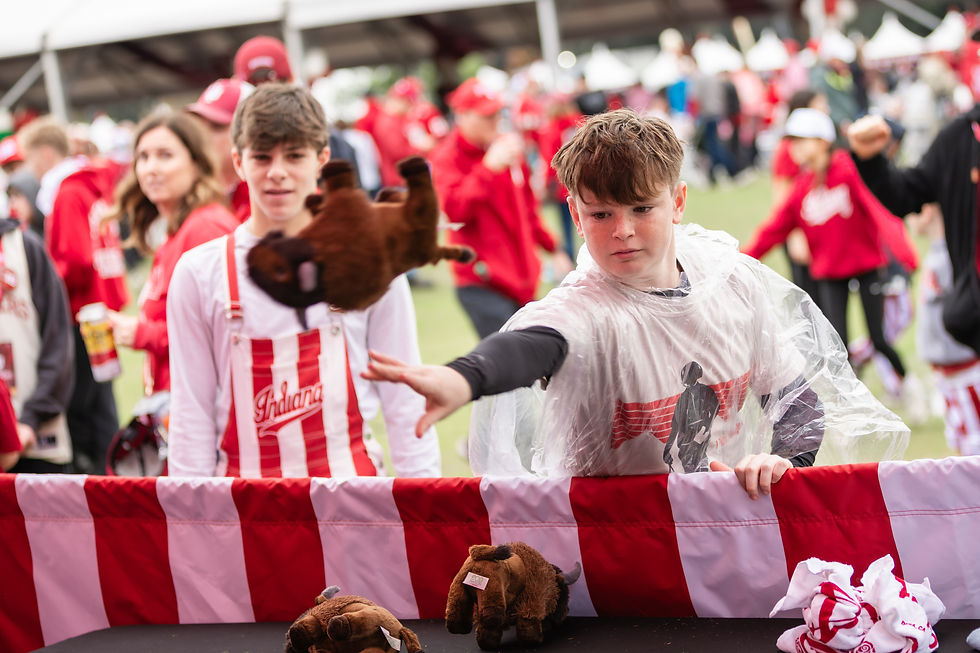
At Something New, we build our entire approach around a simple belief: play is one of the most powerful tools for connection. Everything discussed in this article, from engagement density to flow engineering, aligns directly with how we design our carnival games and experiential environments. We do not see games as props. We see them as structured moments that shift energy, break down barriers, and create shared memory inside corporate gatherings.
Our team designs and operates one-of-a-kind carnival games and turnkey carnival environments that surprise and delight guests across conferences, product launches, corporate holiday parties, festivals, and large-scale activations. We provide game rentals, full-service event operations, custom game design, branded builds, and experiential field marketing solutions. Every activation is crafted with creativity, quality, and operational reliability in mind. When corporate clients need interactive attractions that draw crowds and sustain engagement, we build systems that perform at scale while still feeling personal.
If you are planning a corporate holiday party or any high-visibility gathering and want to elevate it with immersive, crowd-engaging play, we would love to collaborate. Whether you need a single interactive attraction or a fully produced carnival environment, our team can guide you toward the right mix of games and activation strategies for your audience. Contact us today to explore how we can help you transform your next event into a playful experience your guests will remember long after it ends.


Comments